Chapter 01 / 06
Fitness Has Been Part of My Life Since I Was 12
My interest in fitness began when I was around 12 years old. Whenever my parents went grocery shopping, they would leave me in the magazine section, where I spent my time reading MuscleMag, Muscle & Fitness, and Flex. By the time we got home, I was inspired to head downstairs and try the exercises and techniques I had just read about.
Even at age 12, I wasn’t satisfied with simply moving a weight from one point to another. I experimented with different exercises, paid attention to which movements I connected with best, and made small adjustments until I could feel the intended muscle working. I didn’t know the term “mind-muscle connection” at the time, but I was already beginning to understand that how you perform an exercise matters just as much as the exercise itself.
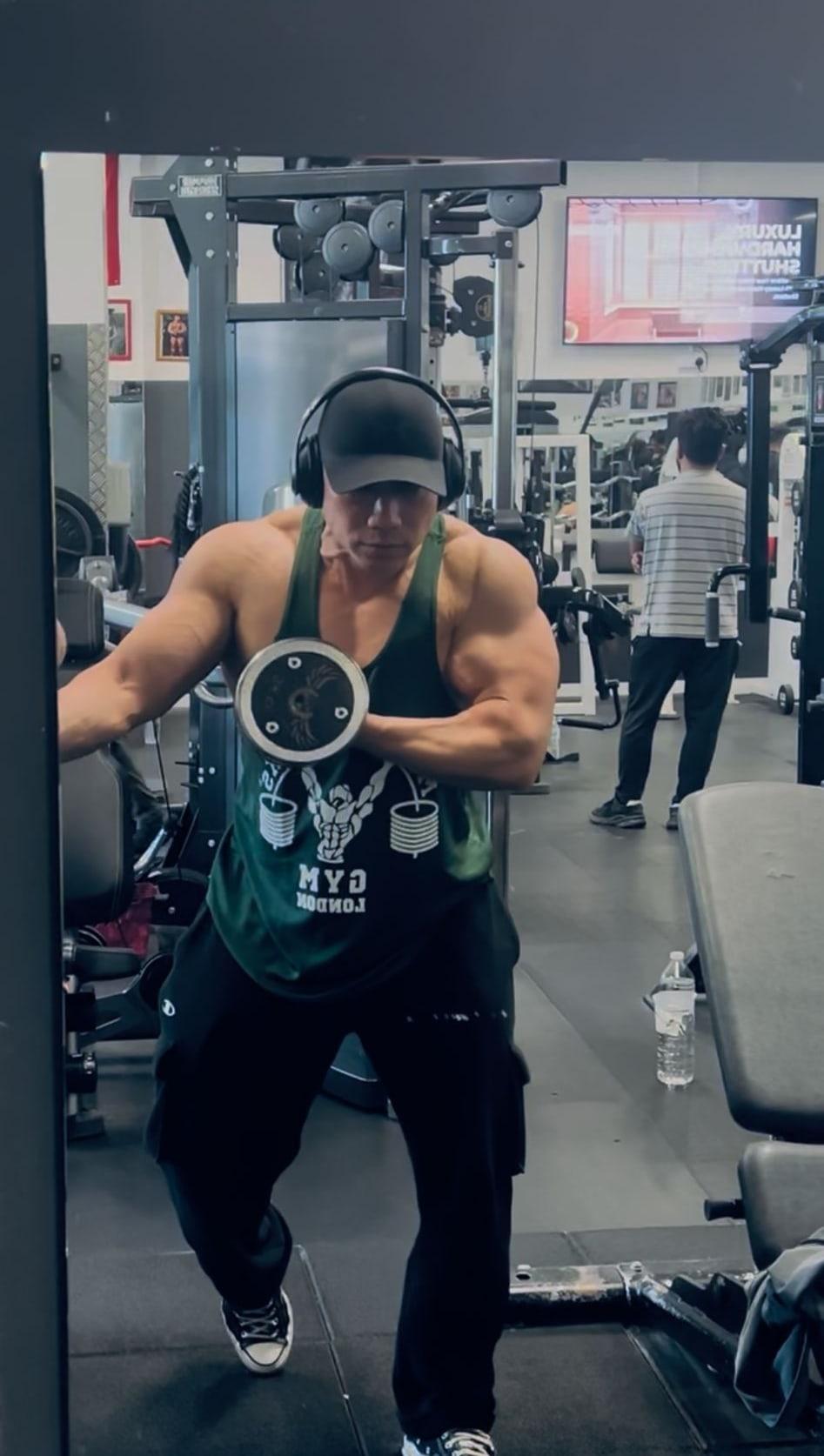
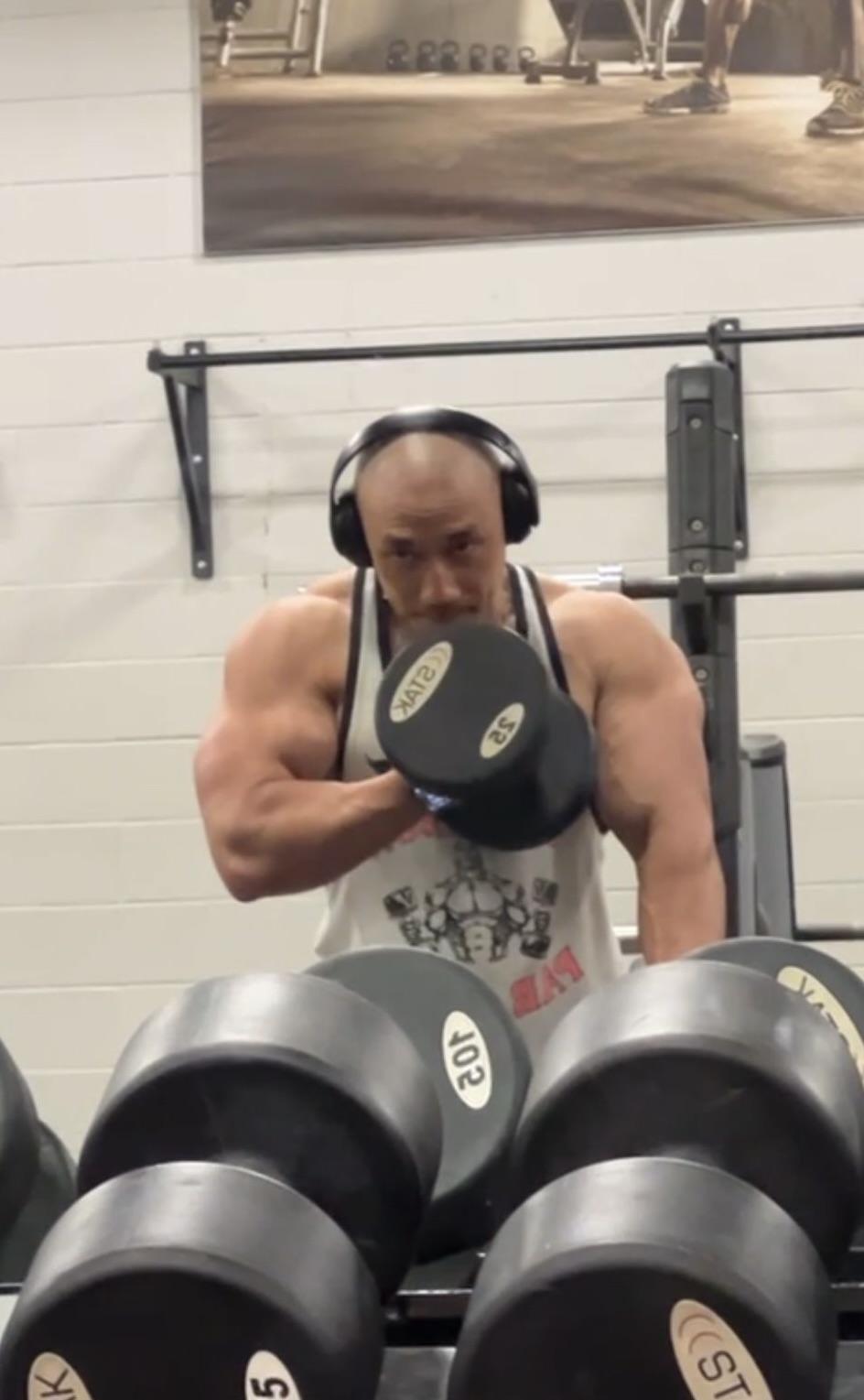
I was especially inspired by the golden era of bodybuilding, from the late 1960s through the early 1980s. I admired the classic lines, symmetry, narrow waists, and proportional physiques of that time. That appreciation for balance and purposeful training continues to influence how I approach fitness today.
Chapter 02 / 06
An Unconventional Path into Coaching
Although fitness remained a constant part of my life, my first professional career was in information technology. After graduating from Sheridan College with a diploma in computer programming, I worked in programming before earning my Cisco CCNA certification and shifting my focus toward computer networking and hands-on technical support.
Over more than 30 years in IT, I was trusted by companies, executives, and customers to solve problems, communicate clearly, and deliver results. The work often involved long days, being on call, and completing system changes late at night or on weekends to minimize disruption to the business. Despite that schedule, I always found a way to make fitness a priority.
The Analytical Coach Advantage
Years of Executive Problem Solving & Structural Planning Applied to Human Anatomy
- Systematic approach to progressive overload
- Clear, simplified breakdown of technical biomechanics
- Deep understanding of busy corporate lifestyles
That professional experience now serves me well as a coach. Many of the people I work with are adults over 40 who value patience, maturity, clear communication, and a coach who can do more than simply demonstrate exercises. My background taught me how to listen carefully, assess a situation, explain complex ideas in understandable terms, and create practical solutions based on the individual in front of me.
Chapter 03 / 06
When My Two Careers Came Together
In January 2020, I joined a manufacturing company as an IT analyst. A few months later, the owner approached me about helping transform one of the company’s rooms into a fitness facility.
For me, it was like being a kid in a candy store. I helped select the equipment and accessories and planned the room so it would have a safe, practical flow. Before long, I began training the owner. Once he experienced the benefits, I was given the opportunity to work with the CEO, CFO, and other members of the executive team.
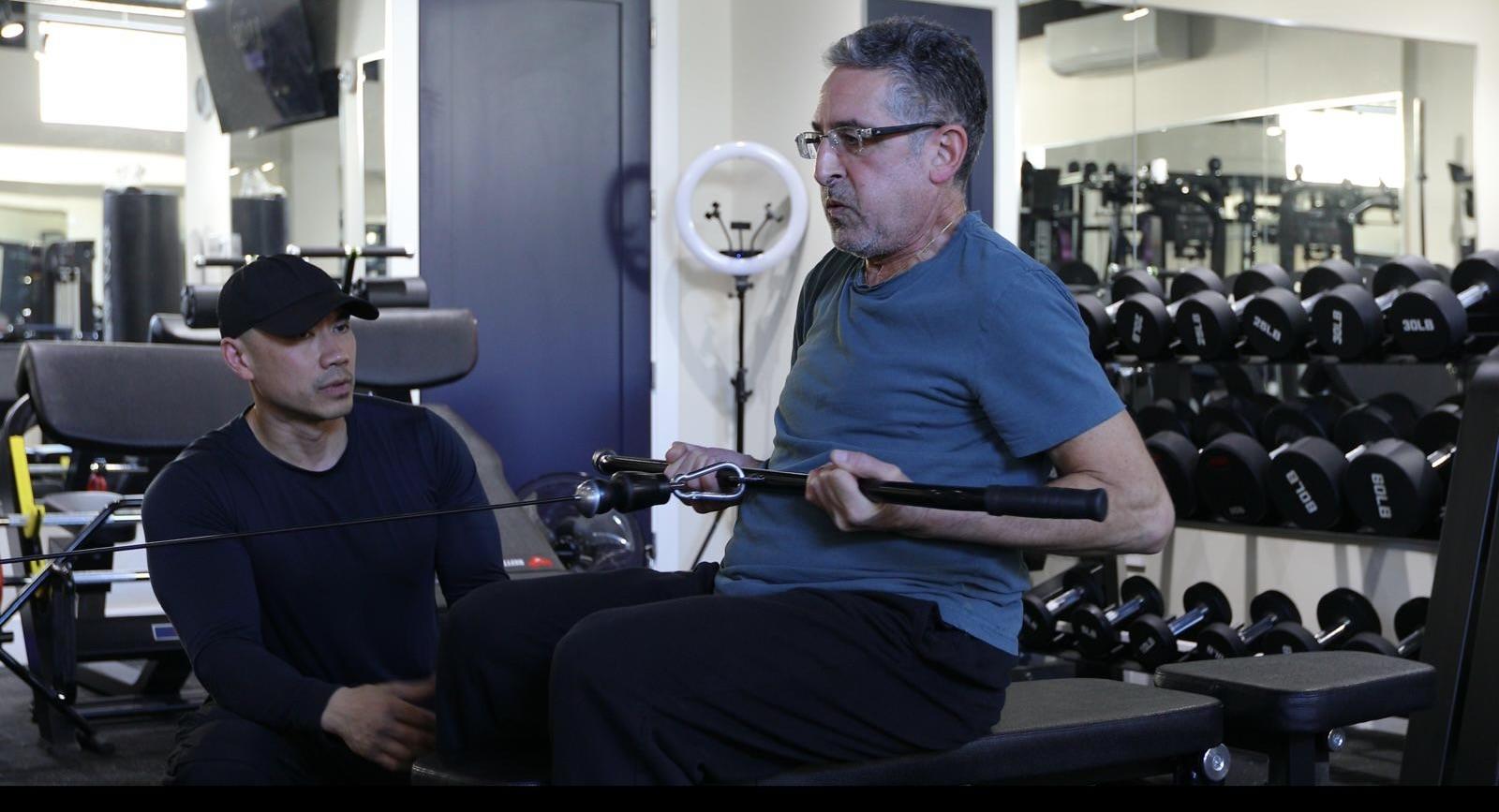
Eventually, half of my day was spent training executives while the other half was dedicated to my IT responsibilities. My role gradually expanded beyond the gym. I began preparing healthy, protein-focused meal preps and helping them understand how better nutrition could complement their training, support recovery, and move them closer to their goals.
I also introduced simple ways to track their nutrition using free mobile apps, helping them become more aware of what they were eating and how their daily choices affected their progress. It reinforced something that continues to shape my coaching today: the work you put in during a training session is important, but lasting results are also influenced by the habits you build outside the gym.
The work you put in during a training session is important, but lasting results are also influenced by the habits you build outside the gym.
With consistent training, better nutrition, proper exercise technique, and ongoing support, I saw how healthier habits could improve people’s energy, confidence, and overall outlook. That positive influence began spreading throughout the office, inspiring others to take better care of themselves. Being part of that transformation was deeply fulfilling and showed me that coaching was more than a personal passion—it was the work I wanted to pursue professionally.
Chapter 04 / 06
Turning a Lifelong Passion into My Profession
In 2025, I made the decision to leave IT, earn my ISSA Certified Personal Trainer credential, and pursue fitness as a full-time profession. I went on to manage a boutique fitness studio, where I provided one-on-one personal training, semi-private coaching, and small-group sessions.
I worked with people ranging from teenagers to seniors, each with different abilities, experiences, and goals. Clients followed customized six- to eight-week training blocks built around progressive overload, with exercises selected and adjusted according to their individual needs.
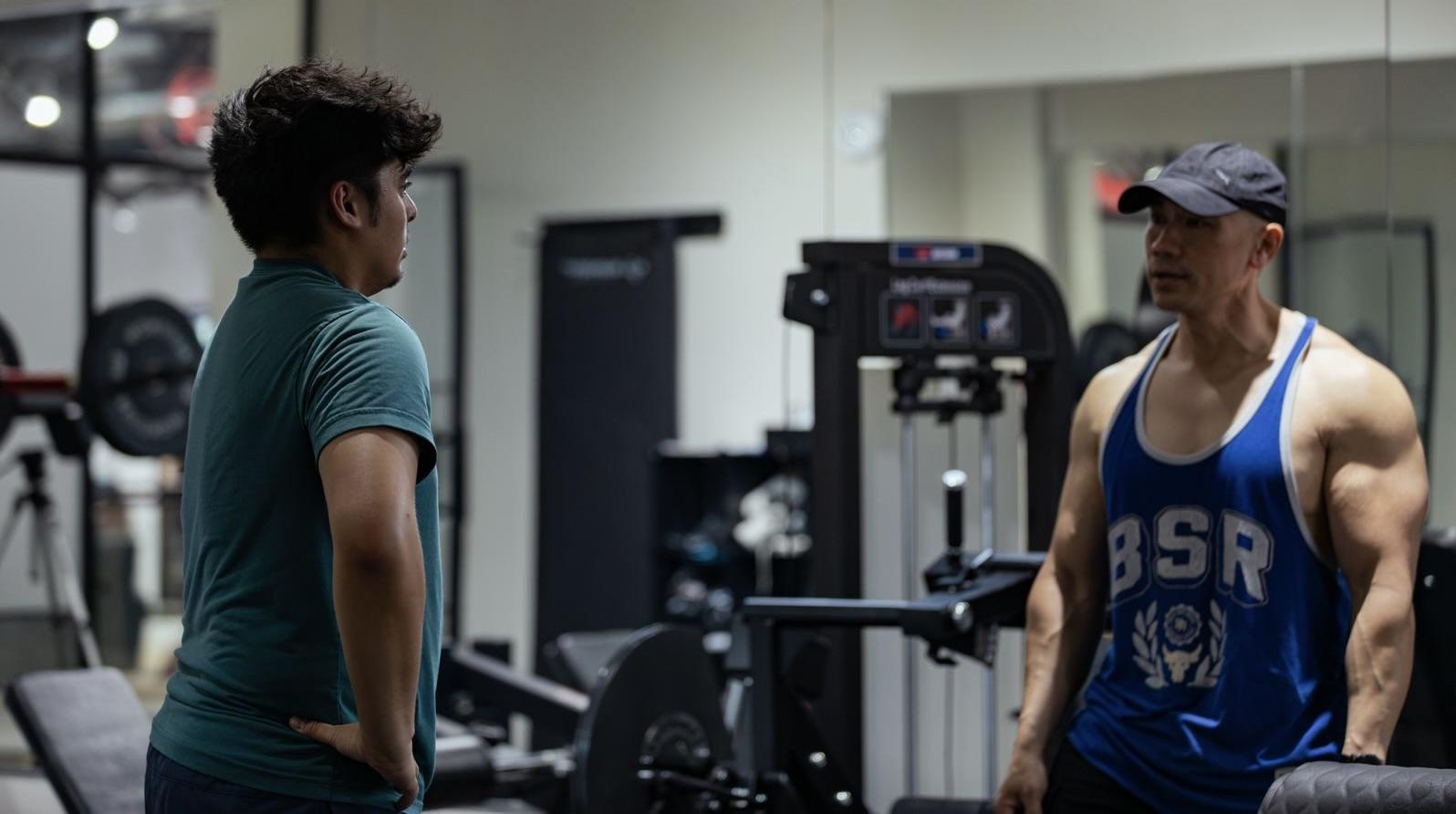
One lesson I consistently shared was that there is a difference between exercising and training. Exercise gets you moving. Training gives that movement a purpose, a structure, and a measurable path forward.
What fulfilled me most wasn’t only seeing clients become stronger. It was watching their clothes fit differently, their energy improve, their habits become more consistent, and their confidence grow. Those changes often carried over into other areas of their lives. Seeing someone begin to believe in themselves is one of the most rewarding parts of being a coach.
Chapter 05 / 06
My Coaching Philosophy
I believe fitness should enrich your life—not dominate it.
Making progress requires commitment, and it will not always be easy, but you should not have to navigate the process alone. My role is to meet you where you are, walk alongside you, and help you develop small, repeatable habits that gradually move you toward your goals.
I don’t expect my clients to live like bodybuilders simply because bodybuilding has played an important role in my own life. Your program needs to fit your goals, abilities, schedule, and lifestyle. That is why I don’t hand clients generic, copy-and-paste programs that weren’t created for them.
I also encourage clients to look beyond the number on a bathroom scale. Body weight alone cannot distinguish between muscle, body fat, and water. I often explain it by comparing the body to a house: total weight tells us how much the entire house weighs, while a body-composition assessment gives us a better look at what is inside—the muscle, fat, and water that make up that total.
What the scale sees
One number.
What we measure
- Water
- Muscle
- Fat
The goal isn’t simply to make the number on the scale smaller. It is to understand what is changing and ensure that the process supports better health, strength, performance, and body composition.
Chapter 06 / 06
More Than Workouts and Repetitions
My coaching goes beyond providing workouts and counting repetitions. I want clients to understand what they are doing, why they are doing it, and how to perform each movement with purpose.
When teaching an exercise, I explain where the working muscle is lengthened and shortened, how to maintain tension throughout the movement, and how small adjustments in technique can make an exercise safer and more effective. Once a client can execute the movement with control, intent, and a strong connection to the target muscle, we can begin progressing the load with greater confidence.
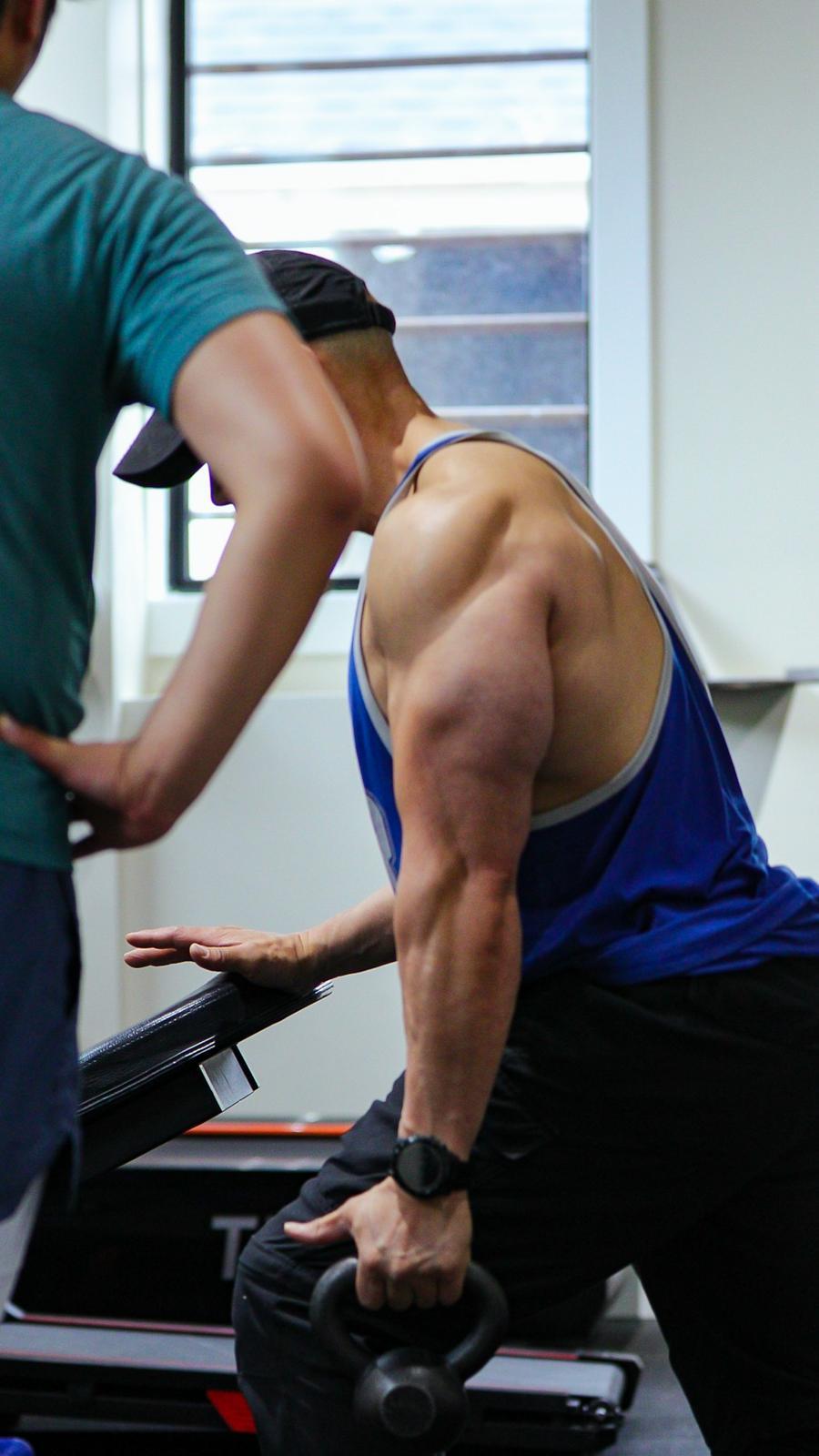
Good technique is the foundation, but technique alone is not the end goal. You can perform an exercise with textbook form, but without sufficient effort/training intensity and progressive overload, the body has very little reason to adapt. My goal is to help clients first learn how to create meaningful tension in the intended muscle, then progressively challenge that muscle over time so training continues to provide a stimulus for strength and growth.
Progress is also shaped by what happens outside the gym. Through a shared progress dashboard, clients track the daily commitments that matter to their goals, such as step count, water intake, protein intake, sleep, and other personalized habits. I review that information regularly and adjust their targets from week to week based on their progress, challenges, and individual needs.
This combination of education, structured accountability, and ongoing adjustment helps clients take ownership of the process.
My goal isn’t simply to guide you through a workout. It is to help you understand your body, develop sustainable habits, and build the knowledge and confidence to keep progressing.
I don’t just coach workouts. I teach movement, track the behaviours that drive progress, and build the plan around the individual.
Elwil